
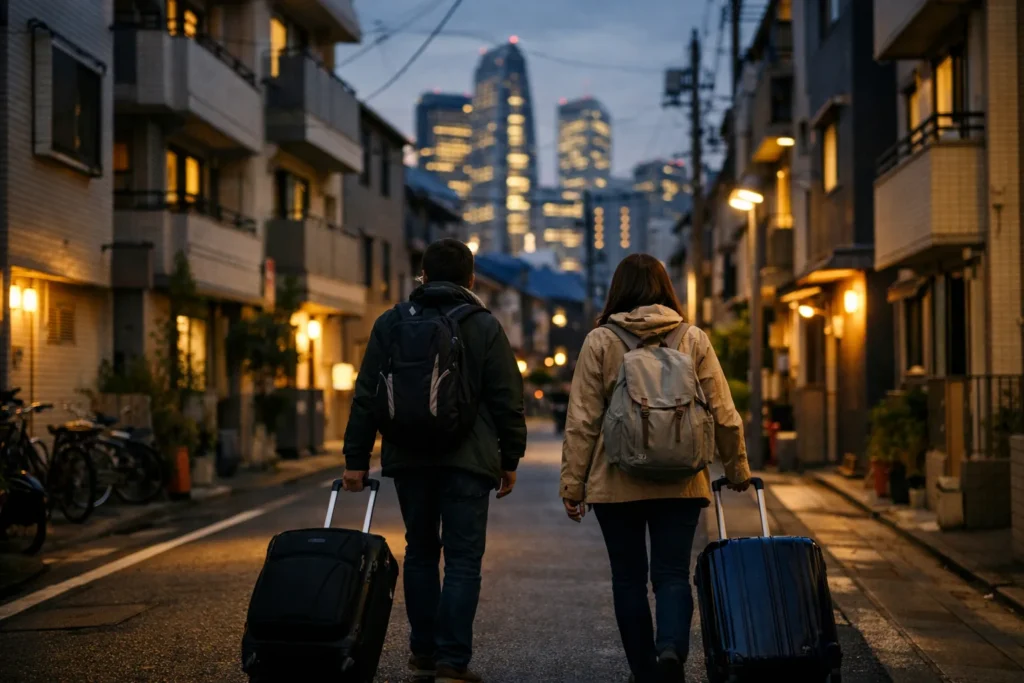
Tokyo short-term rentals could shrink sharply in Shinjuku from summer 2027, as the district plans rules that may remove up to 2,000 units after rising resident complaints. The proposed curbs target properties in residential areas or close to schools. Existing operators would receive a transition period rather than close at once.
Why Tokyo short-term rentals are at risk
The properties potentially affected represent half of all minpaku operating in Shinjuku.
Minpaku is the Japanese term for short-stay visitor accommodation in private homes or apartments. Shinjuku recorded twice as many complaints about these properties in its latest reporting year as in the previous period.
Residents have raised concerns about noise, accumulated rubbish and waste being handled incorrectly. The district intends to present its regulatory amendment during 2027, with enforcement expected to begin in the summer.
How the annual hosting limit may change
Shinjuku is also considering reducing the maximum operating period from 180 to 120 days per year.
This separate restriction would limit how often affected accommodation could receive guests, even if it remained eligible to operate. The proposal has not yet completed the regulatory process, and the length of the planned transition period has not been announced.
Taito is considering a ban on new residential rentals
Taito may stop new short-stay accommodation from opening in residential areas from January 2027.
The district includes major visitor destinations such as Senso-ji temple and Ueno Park. Its proposal concerns new properties, while Shinjuku is considering rules that could also affect businesses already operating.
Shibuya has introduced separate anti-litter rules
Shibuya now requires certain takeaway food and drink businesses to provide rubbish bins as part of a revised cleanliness ordinance.
The requirement took effect on 1 April 2026, with fines of up to 50,000 yen for businesses that fail to comply. Since 1 June, people who drop rubbish in public areas have also faced fines of 2,000 yen.
Although these measures do not regulate accommodation, they reflect wider efforts by busy Tokyo districts to address pressure on neighbourhoods and public spaces. Japan received more than 40 million international tourists for the first time in 2025.
What travellers should watch before booking
Visitors considering a Shinjuku apartment for summer 2027 or later should monitor the final rules and confirm that the operator can honour the stay.
The proposed transition means current properties would not disappear immediately. However, travellers choosing accommodation in residential areas or near schools may prefer flexible cancellation terms until Shinjuku publishes the final timetable and eligibility rules.
Those looking at Taito should watch for a decision before January 2027, particularly if booking a newly opened property. The proposals concern short-stay homes and apartments, so travellers should check the accommodation type rather than assume every place to stay faces the same restrictions.