
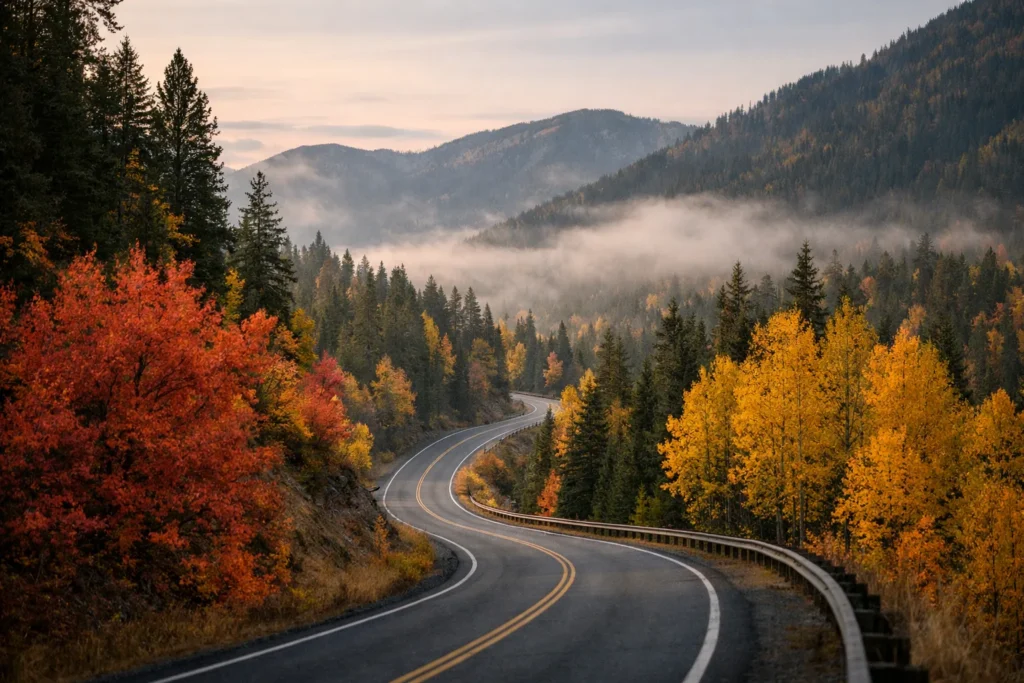
Visit Montana now provides a new Montana foliage map to help autumn visitors decide when and where to see changing leaves. The state’s peak season usually runs from late September to mid-October.
How the Montana foliage map builds its forecast
The tool estimates regional color timings using recent temperatures, frost, precipitation and available observations from the ground. It also looks ahead, allowing travelers to begin planning a route several weeks before a trip.
The forecast divides the state into six color-coded stages. These range from little or no color through to areas where the best display has already passed. Travelers seeking the strongest colors should look for regions marked moderate, high or peak.
Why Montana’s color season moves quickly
Montana’s northern climate and high elevations help create an early and relatively brief autumn foliage season. Wind can also change conditions quickly by stripping leaves from trees, so the forecast may shift as a planned departure approaches.
The state has a substantial forest base for autumn trips. Nearly 30% of Montana is forested, representing close to 26 million acres, or about 10.5 million hectares, according to the Department of Natural Resources.
Bozeman, Missoula and Glacier National Park are among the destinations visitors can consider when building an itinerary around changing leaves. The regional forecast helps travelers compare these areas rather than relying on a single statewide peak date.
What travelers should do before departure
Travelers can find the forecast in the Visit Montana Press Room and use its color scale to identify regions approaching their best display. The map is particularly useful for road trips, where the route can be adjusted toward areas marked moderate, high or peak.
Visitors targeting the usual late-September to mid-October window can use the advance forecast when arranging transport and accommodation. They should check it again shortly before leaving because frost, rain, temperatures and wind may alter local conditions. Keeping part of a driving itinerary flexible offers the best chance of responding to those changes.